Swimming and Your Eyes
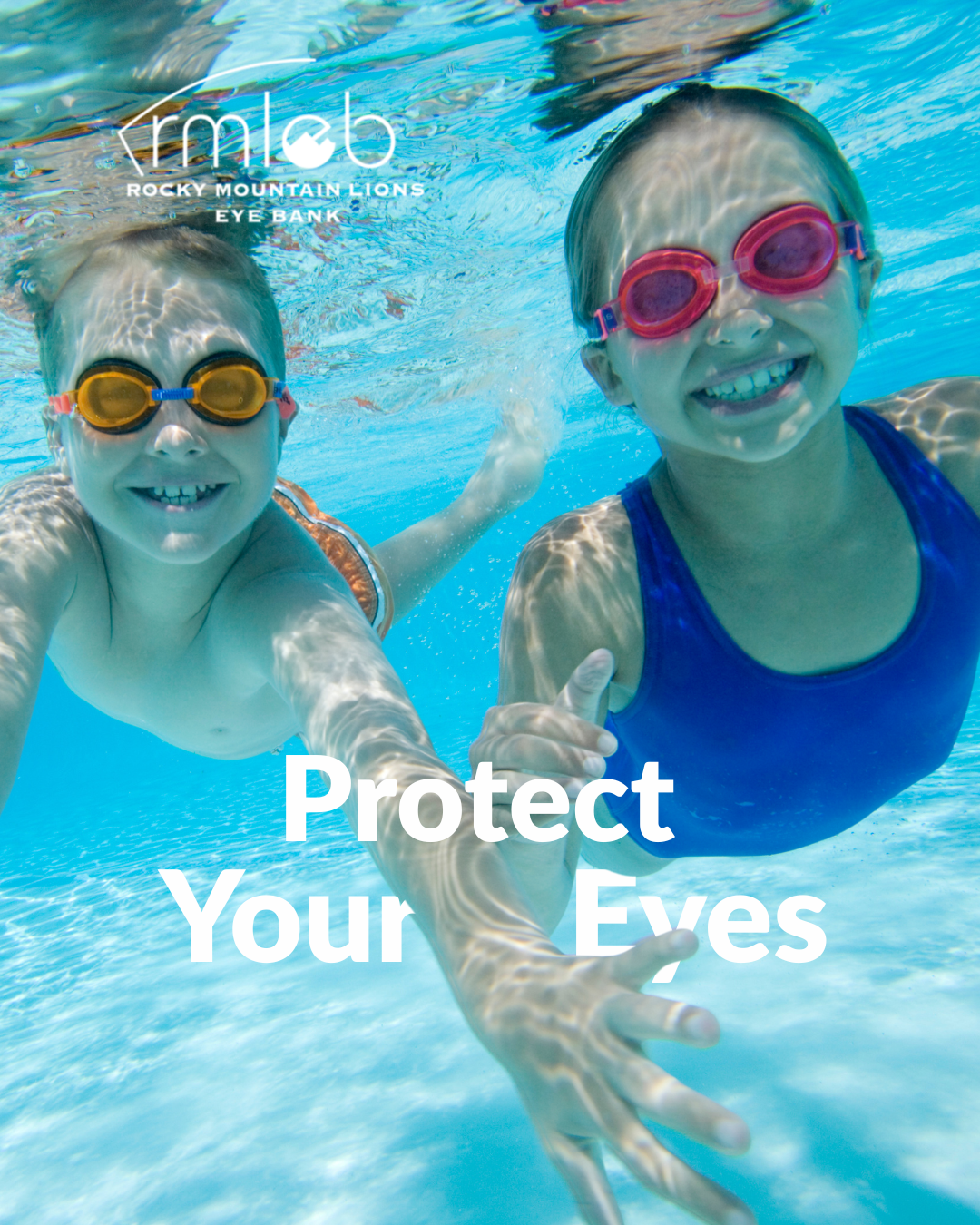
Without proper protection, swimming in the pool can lead to corneal infections or dry eye.
This information is in no way meant to provide medical advice, but contains information commonly thought to be true. Please consult your doctor if you have specific questions.
Are you familiar with the stinging, burning, and redness of “swimmer’s eye”? The pool may be a great place to cool down and exercise this summer, but it can also be a harsh environment for your eyes and the health of your corneas.
Chlorine and Other Chemicals Can Wash Away the Tear Film
The tear film is a thin layer of tears that coats the surface of our eyes helping them stay moist, smooth, and clear. Most pools are cleaned with chlorine and other chemicals that can cause a reaction to your eyes, leaving the surface and edges of your eyes red, itchy, watery, and uncomfortable.
Chlorine can wash away the moist layer of tear film, leaving eyes uncomfortable and red. People who swim frequently may develop dry eye, where it can feel like they have sand in their eyes, or their vision becomes blurry. Dry eye is when someone can’t produce enough tears or the right quality of tears.
Eyes without the protection of fully functioning tear film are exposed to harmful pool chemicals and lingering bacteria. Bacteria that survive the chlorine can lead to an eye infection.
Wear Goggles
Goggles keep pool chemicals out of your eyes, helping to keep your tear film healthy. This is why the American Academy of Ophthalmology recommends wearing a pair of swim goggles every time you swim.
Wash Your Eyes
You can wash the chlorine and other chemicals off your eyelids and eyelashes by splashing your closed eyes with fresh water immediately after swimming.
Use Eye Drops
Over-the-counter eye drops can help keep the tear film balanced and eyes comfortable when applied before and after swimming.
Stay Hydrated
An important part of keeping your eyes moist and comfortable is drinking plenty of water to stay hydrated.
Don’t Swim With Contacts
When swimming, skip the contacts and talk with your eye care provider for more information about the different kinds of swim goggles available. There is a higher risk of contracting corneal infections when wearing contacts in any type of water – including a pool, hot tub, ocean, or lake.
Bacteria can grow on the surface of the contact lenses even after just one swim! This can be concerning since contact lenses sit in the eyes for an extended period of time allowing the eyes to be exposed to chemicals, bacteria, fungi, or parasites. These can lead to a painful infection, corneal damage, or even loss of vision.
Talk to Your Eye Doctor
If you have any concerns, it is best advised to talk to your eye doctor right away. Don’t let the chlorine take your fun away this summer!